When unexpected disasters strike, buildings can become unstable, unsafe, and dangerous to occupants and the surrounding community. Fires, severe storms, floods, structural failures, and other emergencies often leave homes and commercial properties with significant damage that requires professional attention. In these situations, disaster demolition provides the essential first step toward restoring safety, clearing hazardous structures, and preparing a site for rebuilding.
At Legendary Demolition Dallas, our disaster demolition services are designed to quickly and safely remove damaged buildings and debris using industry‑leading techniques. We combine careful planning, advanced equipment, and experienced professionals to ensure that your property is cleared responsibly and prepared for the next phase of recovery.
What Is Disaster Demolition?
Disaster demolition refers to the controlled removal of buildings and structures that have been severely damaged by events such as fires, storms, floods, or structural collapse. These situations often leave structures unstable and unsafe, making professional demolition necessary to mitigate risk and protect public safety.
According to the service information provided by the company, disaster demolition includes thoroughly evaluating the damaged structure, identifying hazards, and executing a safe plan to dismantle and remove unstable areas. This process ensures that potentially dangerous materials and unstable sections are handled with precision to protect nearby people and property.
Disaster demolition is not the same as routine demolition. It requires immediate response, special expertise, and safety‑first procedures due to the heightened risk of structural instability.
Why Disaster Demolition Is Important After Emergencies
After a disaster, building materials can become weakened, foundations can shift, and entire sections of the structure may be compromised. Leaving damaged structures standing can pose serious hazards, including potential collapse, falling debris, and unsafe environments for rescue workers or property owners.
Professional demolition teams start every project with a detailed site inspection to assess the state of the damaged structure. This assessment helps determine the safest approach to remove unstable areas and minimize risk during the demolition process. A thorough evaluation also uncovers potential hazards such as dangerous materials, unstable walls, and other safety concerns that must be addressed before demolition begins.
Once the evaluation is complete, trained professionals develop a demolition plan aimed at reducing risk, protecting surrounding areas, and ensuring that dangerous materials are removed safely. Safety remains the top priority throughout the entire process.
At Legendary Demolition Dallas, we follow strict safety protocols and industry guidelines to protect everyone involved and to reduce the chances of secondary damage or injury.
Common Situations That Require Disaster Demolition
Several types of emergencies often lead to the need for disaster demolition services. Fire damage is one of the most frequent causes. When a fire compromises load‑bearing structures like beams, walls, or supports, the building may be unsafe for repair or occupancy.
Severe weather events such as tornadoes, hailstorms, or heavy wind storms can also cause extensive structural damage. These events can weaken support systems, collapse portions of a roof, or damage exterior walls. In such cases, demolition professionals are needed to safely remove impacted sections before rebuilding can occur.
Flood damage is another situation that may necessitate disaster demolition. Prolonged water exposure weakens building materials and can create dangerous conditions including mold, rot, and compromised structural integrity.
No matter the cause, Legendary Demolition Dallas offers the expertise and equipment needed to safely remove damaged structures and prepare the site for a fresh start.
How Disaster Demolition Works
The disaster demolition process always begins with a comprehensive site evaluation. Skilled demolition professionals inspect the structure to assess the extent of damage, identify potential hazards, and determine the safest way to proceed. This evaluation sets the stage for an effective demolition plan tailored to the unique conditions of the site.
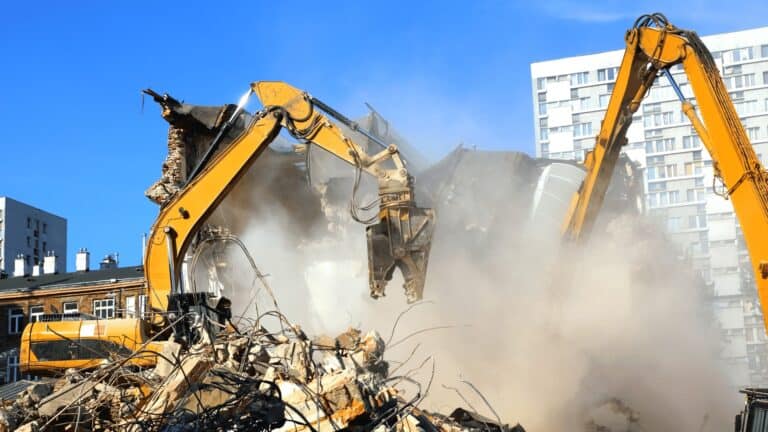
After planning, crews use advanced demolition techniques and equipment to dismantle and remove unstable portions of the structure in a controlled manner. These methods are designed to keep workers and nearby properties safe while minimizing dust and debris.
Dust suppression, barriers, and other control measures are often used to protect neighboring properties and the environment. Whenever possible, materials that can be recycled — such as metal or concrete — are separated during debris removal to reduce environmental impact.
Once the demolition is complete, the site is cleared and prepared for the next stage of development. This may include rebuilding, renovation, or restoration work.
The Value of Professional Demolition Services
Disaster demolition is a complex and high‑risk process that requires professional training, specialized equipment, and strict adherence to safety procedures. Attempting to remove damaged structures without proper expertise can lead to serious injuries, additional property damage, or environmental hazards.
Professional demolition contractors have the experience to evaluate structural risks, handle hazardous materials, and manage each project efficiently and safely. They ensure that demolition work is completed in compliance with local codes and safety regulations, giving property owners peace of mind.
At Legendary Demolition Dallas, our team combines technical expertise with advanced demolition technology to deliver reliable results. We are committed to helping property owners recover safely and prepare their sites for future construction or repair.
If your property has been damaged by fire, storms, flooding, or structural failure, professional disaster demolition services provide the critical first step toward restoring safety and beginning the rebuilding process.